This website was updated on 26/10/2026
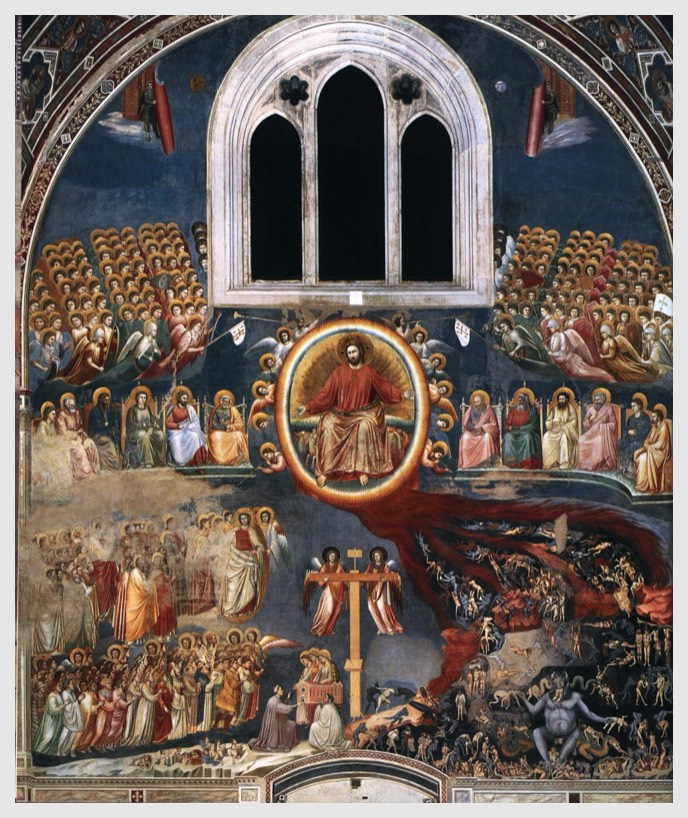
Giotto, Arena Chapel
© Web Gallery of Art

-
Apostolic Exhortation: Dilexi te
-
Apostolic Letter: Drawing New Maps of Hope
-
DDF—Doctrinal Note: Mater populi fidelis
-
Homily: Feast of The Dedication of St. John Lateran
-
Apostolic Letter: In Unitate Fidei
On the Anniversary of The Council of Nicaea -
Jesus Christ, Son of God, Saviour
International Theological Commission -
Apostolic Letter: Una fedelta
A Fidelity that Generates the Future -
Address to the Diplomatic Corps Accredited to the Holy See
-
Address to the Pontifical Biblical Commission
-
Address to the Pontifical Academy of Social Sciences
-
Address to the Catholic University of Central Africa
-
DDF—Una Caro
Doctrinal Note on the Value of Marriage as an Exclusive Union & Mutual Belonging -
Quo Vadis, Humanitas: Thinking through Christian Anthropology—International Theological Commission
-
ENCYCLICAL LETTER: MAGNIFICA HUMANITAS
-
Sixty Years of Interreligious Dialogue & Fraternity in Light of Nostra Aetate

Liturgical Schedule

Mass Schedule
Saturday Evening—19:30
Sunday—08:30 & 11:00
Monday—12:00
Tuesday — 12:00
Wednesday—12:00 *
Thursday—10:00 **
Friday—10:00
Saturday—10:00
* Wednesday’s Mass is in Latin
** Thursday’s Mass is followed by Exposition and Benediction
Confessions are heard on Request
Funeral Masses on Weekdays are held at 12 noon
Funeral Masses on Sundays are held at 11am
Recordings must be booked through MCN Media—Giving 24 hrs Notice
Communio & Humanum Catholic Reviews
Understanding Authority
Humanum Review & Communio International Catholic Review


The Sacrament of Baptism
Communio International Catholic Review


On the Church
Communio International Catholic Review


On St. Thomas Aquinas
Communio International Catholic Review


On Reforming the Church
Communio International Catholic Review


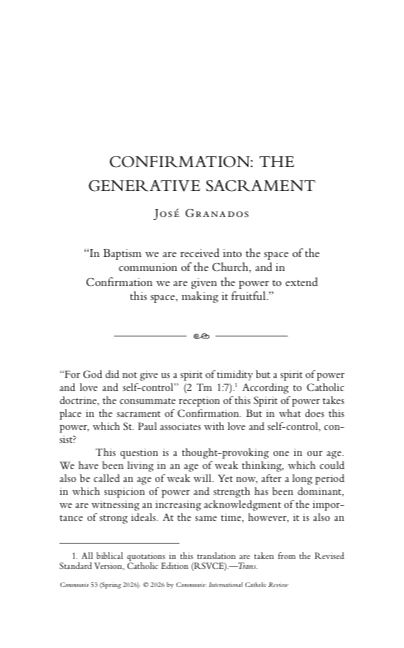
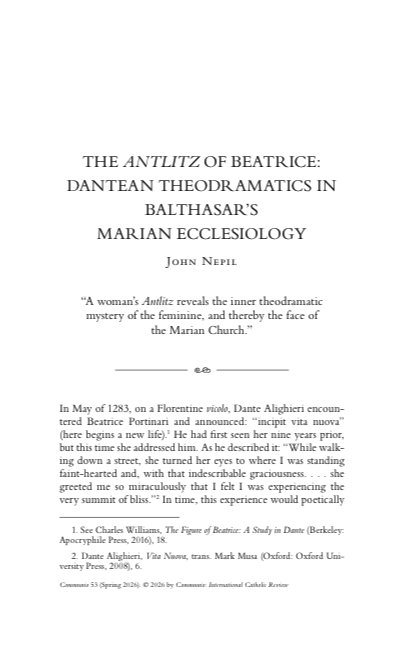
Sources of Christian Doctrine
Theological Resources
Primary Sources
Secondary Sources
- The Church Fathers
- The Complete Works of St. Thomas Aquinas
- Pontifical Academy of St. Thomas Aquinas
- The Varieties of Interpreting St. Thomas
- Synthesis of St. Thomas’s Teaching
- Nova et Vetera Journal
-
The Ratinzer Archives
- Communio International Catholic Review
- Did Vatican II Change the Catholic Doctrine on the Church?
- On the Ecclesial Vocation of the Theologian
- On the Profession of Faith
- Dominus Jesus
- Mysterium Ecclesiae
- Mystici Corporis of Pius XII
- Sacramentum Ordinis of Pius XII
- Divine Afflante Spiritu by Pius XII
- Antiqua et Nova—DDF Note on the Relationship Between AI & Human Intelligence
On the Moral Order and Human Love
- Gaudium et Spes
- Gratissimam sane
- Veritatis splendor
- Evangelism vitae
- Fides et ratio
- Persona humana
- Donum vitae
- Familiaris consortio
-
Response to a Series of Questions posed by H.E. Raymond Cardinal Burke and H. E. Robert Cardinal Sarah
- Casti connubii
- Humane vitae
- Address to Midwives 1951
- Sacra virginitatis
- Address to Christians with Large Families
- On Preparation for the Sacrament of Marriage
- The Family and Human Procreation
- Family, Marriage and “De Facto Unions”
- Educational Guidance in Human Love
- The True Meaning on Human Sexuality
- Male and Female He Created Them
- Debating Gender Theory
- Parental Rights
- The Indissolubility of Marriage—Matthew Levering
- The Engaging Doctrine of Marriage—Matthew Levering
Introduction to Catholic Theology
- Miracles by C. S. Lewis
- The Everlasting Man by G. K. Chesterton
- Orthodoxy by G. K. Chesterton
- Introduction to Christianity by Joseph Ratzinger
- Jesus of Nazareth by Pope Benedict XVI
- The Spirit of the Liturgy by Joseph Ratzinger
- Catholic Theology by Tracey Rowland
- Catholicism by Henri de Lubac
- An Introduction to Vatican II
- Engaging the Doctrine of Revelation
- The Meaning of Tradition by Yves Congar
- The Christian State of Life by Von Balthasar
- True and False Reform in the Church by Yves Congar
- The Splendor of the Church by Henri de Lubac
- At the Heart of Christian Worship by Yves Congar
- Principles of Christian Morality by Ratzinger, Schürmann and Von Balthasar
- Morality: The Catholic View by Servais Pinkaers
- The Pursuit of Happiness—God’s Way: Living the Beatitudes by Servais Pinckaers, OP
-
After Virtue by Alister Macintyre
- The Indissolubility of Marriage
-
Love Alone is Credible by Von Balthasar
-
Heart of the World by Von Balthasar
- The Moment of Christian Witness by Von Balthasar
-
The Christian Sate of Life by Von Balthasar
-
Life out of Death by Von Balthasar
- FREE CATHOLIC BOOKS
Church History
Priestly and Religious Formation
Understanding Vatican Council II
- Vatican II: A Pastoral Council: Hermeneutics of Council Teaching—Serafino M. Lanzetta
- Vatican II: Renewal Within Tradition—Matthew Lamb & Matthew Levering
- The Reception of Vatican II—Matthew Lamb & Matthew Levering
- Theological Highlights of Vatican II—Joseph Ratzinger
- The Disputed Teachings of Vatican II: Continuity and Reversal in Catholic Doctrine—Thomas Guarino
- Iota Unum: A Study of Changes in the Catholic Church in the XXth Century—Romano Amerio
The Sacred liturgy
The sacred liturgy, by its very nature, is the worship of the Heavenly Father by Christ united with all the members of the Church—his Mystical Body.
Mother Church earnestly desires that all the faithful should be led to that full, conscious, and active participation in liturgical celebrations which is demanded by the very nature of the liturgy, and to which the Christian people, “a chosen race, a royal priesthood, a holy nation, a redeemed people” (1 Peter 2:9, 4-5) have a right and obligation by reason of their baptism.The sacrificial nature of the Mass, solemnly defended by the Council of Trent, because it accords with the universal tradition of the Church, was once more stated at the Second Vatican Council, which pronounced these clear words about the Mass: At the Last Supper, Our Saviour instituted the Eucharistic sacrifice of his Body and Blood, by which the Sacrifice of his Cross is perpetuated until he comes again; and till then he entrusts the memorial of his Death and Resurrection to his beloved spouse, the Church.
Liturgical Resources
Papal Documents
Sacred Music
A Brief History of the Roman Rite of Mass
- The Last Supper—The First Mass
- The Eucharist and the Early Church
- Growth and Persecution
- The Liturgy and Sacred Language
- The Liturgy in a Christian Empire
- The Formation of a Latin Liturgical Idiom
- The Making of the New Order of Mass
- The General Instruction of the Roman Missal
- The Clarification of Some Liturgical Questions
- Evening Masses & Days of Obligation
Theological Resources
The Sacrifice of the Mass
Manfred Hauke—professor of dogmatic theology at the theological faculty in Lugano, Switzerland.
From the Proceedings of the Fifth Fota International Liturgical Conference, 2012
Celebrating the Eucharist: Sacrifice and Communion
Perspectives on Contemporary Theology
1. Seven Thoughts on the Church—Lewis Ayres
2. The Book of the Cave of Treasures—St. Ephrem of Syria
3. The Scale (or Ladder) of Perfection—Walter Hilton
4. The Liturgical Year—Dom Prosper Guéranger
5. Healing Wounds—Bishop Erik Varden
6. A Look at Christian Civilisation Through Art
7. Debating Gender Reality
8. Parents Rights
9. Authority & Power
10. Antique et Nova—Note on the Relationship Between AI & Human Intelligence
11. Pope Leo XIV Address to Members of the International Inter-Parliamentary Union
12. Theology for the Drastic Changes Coming in Higher Education
13. Nova et Vetera Spring 2025
14. Catholic Commentary on Sacred Scripture
Smenos Publications
“Christian, recognise your dignity &, now that you share in God’s own nature, do not return to your former base condition by sinning.”
Articles by Hans Urs von Balthasar & Adrienne von Speyr
Basics of Catholicism
Introduction to the Sacred Liturgy
Latin Mass Society of England & Wales
Faith & Culture Conference
June 14, 2025
ESCHATOLOGY
Series of Articles from Church Life Journal & First Things